
Thanks for reading Pixel Buys | Finding things YOU LOVE is our job! Subscribe for free to receive new posts and support my work.
🔥 Saros is Housemarque’s follow-up to Returnal — and it might actually be better
🧠 Color-coded projectiles are the ENTIRE game: blue absorbs into your shield, yellow corrupts your max health, red steals your Power and can’t be dashed through
📺 Unlike Returnal, permanent progression means every death makes you stronger — this one’s built to be finished
🎮 The DualSense haptics and adaptive triggers are doing serious work here — play with headphones on
💸 $69.99 on PS5 — these tips will save you hours of wall-hits before it clicks
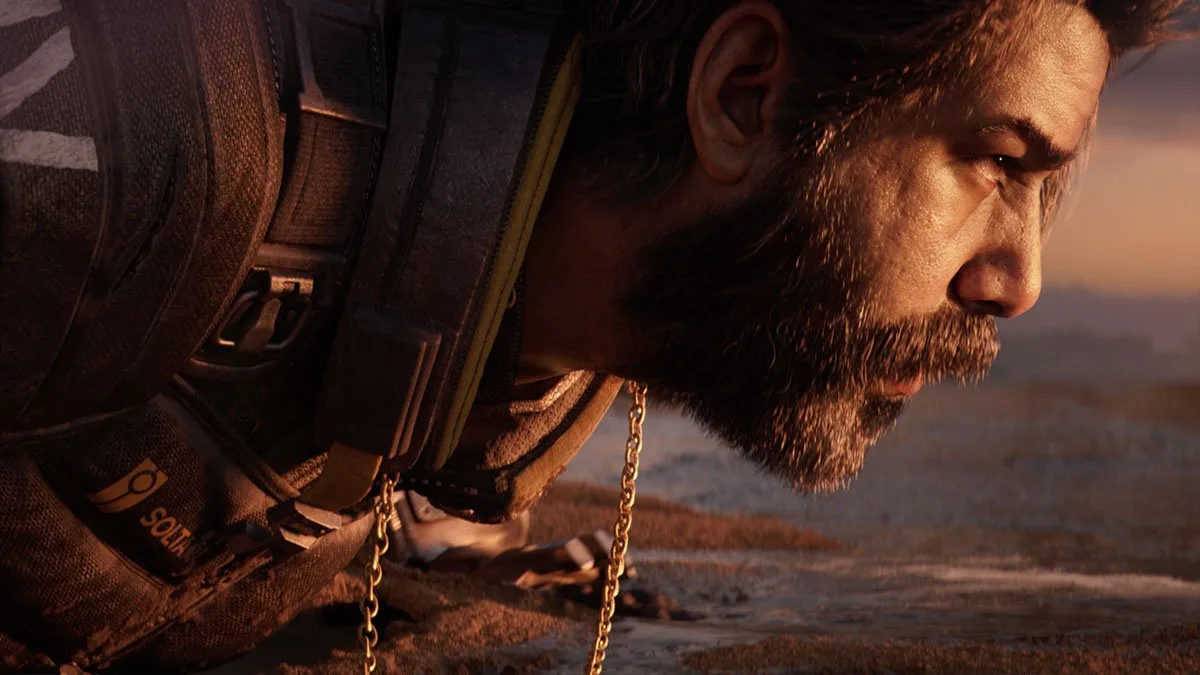
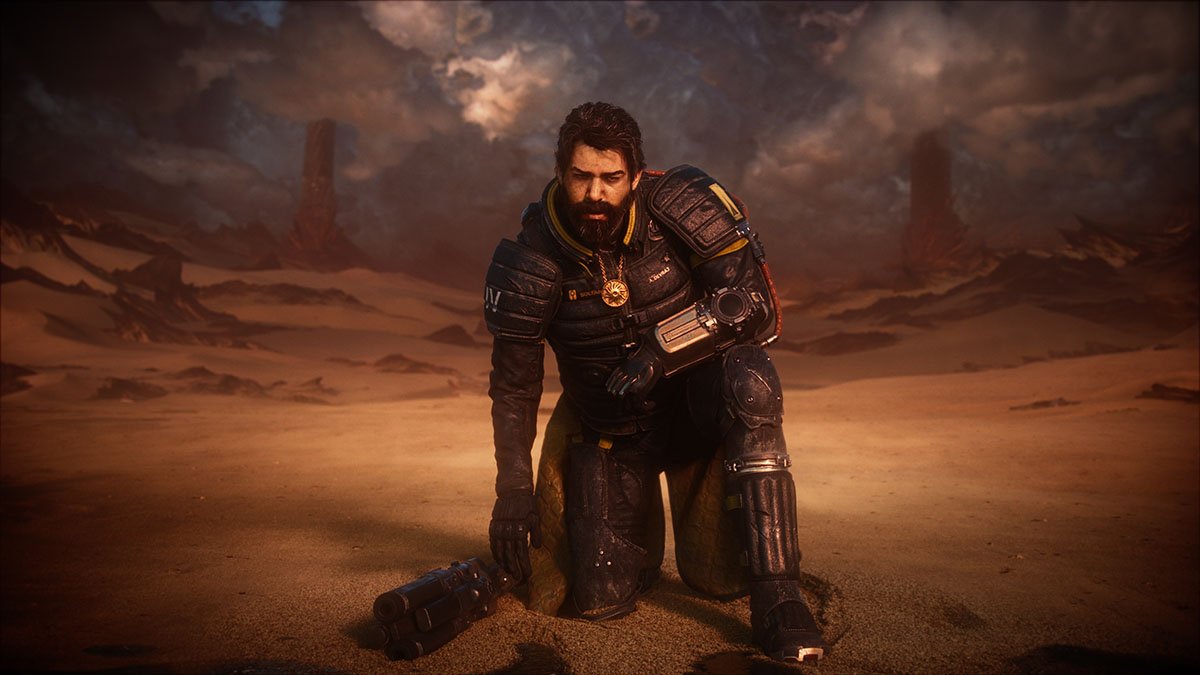
Saros launched April 30, 2026 as a PS5 exclusive from Housemarque — the team behind Returnal — and it’s already turning heads with an 88 on Metacritic. You play as Arjun Devraj (voiced by Rahul Kohli), a Soltari Enforcer dropped onto the shape-shifting planet Carcosa, where every run teaches you something new and every death pushes your build forward. If Returnal felt just out of reach, Saros was built for you — but it still bites hard if you walk in blind.
Master the Color-Coded Combat System First
Everything in Saros revolves around three colors of projectile, and once you internalize them the game transforms from chaos into flow.
Blue projectiles are your friends. You can dash straight through them (L1) or hold your shield (R1) to absorb them and convert them into Power for your Power Weapon. Farming blue projectiles is a core loop — don’t waste them by running around blindly.
Yellow projectiles apply Corruption, which permanently lowers your maximum health until cleared. This is the slow bleed that kills runs — getting hit by yellow isn’t just damage, it’s ceiling compression. Prioritize clearing Corruption before using any healing items, otherwise you’re topping off a smaller tank.
Red projectiles are the true threat. You cannot dash through them, and they will steal your Power on contact. These demand repositioning, not tanking. When red fills the screen, stop dashing and start moving.
 Housemarque / Sony Interactive Entertainment
Beyond projectile reading, lean on melee more than you think you should. Arjun’s fists can one-shot weaker enemies and instantly break enemy shields — and a well-timed punch does more damage than bullets at close range. It’s not a panic button, it’s a real tool. Also worth locking in: the Perfect Reload mechanic. After emptying your clip, hit R2 immediately for an instant reload — this becomes muscle memory fast and keeps your DPS flowing in dense encounters.
Build Smart — Lucenite, Halcyon, and Loadout Priorities
Saros has two core currencies that work very differently, and mixing them up will stall your progression.
Lucenite is your per-run resource. You earn it by picking up healing items when you’re already at full health — so don’t skip those pickups when topped off. Use it for upgrades within a run. Halcyon, on the other hand, is your permanent progression currency. Always choose Halcyon items over short-term power spikes. Later levels require substantial Halcyon quantities, and anything that denies future-you that resource is a bad trade.
For weapon selection, beginners should start with Smart Guns — they handle much of the aiming automatically, letting you focus on dodging and positioning rather than tracking. As you get comfortable, swap to weapons that suit your playstyle; Saros is weighted so you’ll find stronger versions of weapons you like naturally. Keep a weaker weapon that fits your style over an upgrade you’re not comfortable with.
 Housemarque / Sony Interactive Entertainment
On Artifacts: don’t skip ones with stationary damage penalties. You are never supposed to be standing still in Saros — that downside is a non-factor in practice. Meanwhile, Artifacts that convert Corruption into damage resistance actively flip a threat into a defensive advantage. Always visit alternate paths on your minimap (marked with a white flag vs. the blue run-progress flag) — they reliably contain upgrades and healing items that swing runs. And in dual-reward rooms, grab one item then immediately dash for the second before access closes — you can get both, no penalty.
The Eclipse, Nightmare Gates & Advanced Strategies
The Eclipse is one of Saros’s most misunderstood systems. Here’s the key thing: Eclipse activation is optional in most areas. Only gates marked with a sun symbol require it to progress. When you do activate it, enemies become tougher overall but shoot fewer blue projectiles — meaning less Power for you, but also exclusive loot that can’t drop otherwise. Activate Eclipse when your build is strong enough to capitalize; skip it when you’re on a fragile run.
Nightmare Gates are separate optional challenges offering high-risk, high-reward encounters. Save your keys for late-run, when the guaranteed upgrades behind locked rooms actually move the needle — early-run keys spent on mid-tier rooms are wasted investment.
For survival tools: the Overdrive Ultimate makes you fully invincible while casting, and enemies killed by it drop Aether — use it as both an escape valve and a recovery mechanism. The Parry can be aimed at enemies using your reticle to build stagger on red shields; directing parry energy intentionally rather than panic-parrying is what separates good runs from great ones. Turn off Auto Hit in settings if you want to maximize damage — manual targeting lets you hit blue weak spots for a significant damage boost, though it demands more attention during combat.
PS5 Features, Settings & Accessibility That Actually Matter
Saros was built specifically for PS5, and several settings are worth configuring before your first run.
Go into Settings and enable Unlimited Protection Modifiers immediately. These provide a meaningful accessibility floor with zero balance downside — Housemarque built them in intentionally. If you’re still struggling after a few hours, also enable Reduce Lucenite Gains to unlock difficulty modifiers that bring the experience into a manageable range. There’s no shame in it — the combat system is the point, not the friction.
If you’re playing on a DualSense Edge, adjust your trigger threshold settings. Saros uses variable trigger pressure for weapon switching, and the default thresholds can cause misfires — a small adjustment in Edge settings cleans this up entirely. On standard DualSense, the adaptive trigger resistance shifts based on Corruption levels, giving you tactile feedback on your health state even without looking at the HUD. The haptics encode bullet impacts directionally — this isn’t a gimmick, it’s spatial audio for your hands.
 Housemarque / Sony Interactive Entertainment
The Passage homebase is easy to rush past — don’t. Return here between zones for new story conversations, environmental changes, and the golden-aura portal (a non-combat story zone with major narrative reveals). Second Chance gives you an automatic resurrection on your first death in a run — treat it as a buffer, not a crutch. On PS5 Pro, PlayStation Spectral Super Resolution (PSSR) runs at 4K with near-instant load times between deaths. The soundtrack by Grammy-winning composer Sam Slater hits harder through headphones — 3D audio spatial tracking is active and worth enabling in PS5 audio settings.
The Right Accessories
Saros uses more PS5 hardware features than almost any game out there — the right gear makes a real difference.
For trigger precision and edge performance: The DualSense Edge Wireless Controller lets you dial in trigger thresholds for Saros’s variable-pressure weapon switching — a $15 mid-run frustration solved by a hardware setting. The swappable stick caps also help with the constant dodging demands. Worth it if you’re sinking serious hours into Carcosa.
👉 DualSense Edge Wireless Controller on Amazon →
For 3D audio (Sam Slater’s score deserves it): The Pulse 3D Wireless Headset is PS5-optimized for Sony’s Tempest 3D audio engine. Saros’s spatial audio is directional in combat — hearing projectile patterns before you see them is a genuine gameplay advantage, not just vibes. The headset pairs instantly via USB and has no setup friction.
👉 Sony Pulse 3D Wireless Headset on Amazon →
These two accessories unlock the layers of Saros that a TV speaker and standard controller leave on the table.
Saros Finally Makes Roguelites Feel Fair
Housemarque took everything that made Returnal special and stripped out most of what made it punishing. The permanent progression system means no run is truly wasted — you’re always moving forward. The color-coded combat is dense but learnable. The PS5 hardware integration is the most substantive in any title since Astro’s Playroom.
If you bounced off Returnal, give Saros a real shot — the difficulty curve is designed to meet you. If you loved Returnal, the combat ceiling here is even higher. The first few hours are the hardest; the tips above will get you through them faster.
Read the projectile colors. Parry intentionally. Prioritize Halcyon. Activate Eclipse when you’re ready, not just because the gate is there.
Image credits: Housemarque / Sony Interactive Entertainment
Thanks for reading Pixel Buys | Finding things YOU LOVE is our job! Subscribe for free to receive new posts and support my work.


0 Comments
No comments yet.