
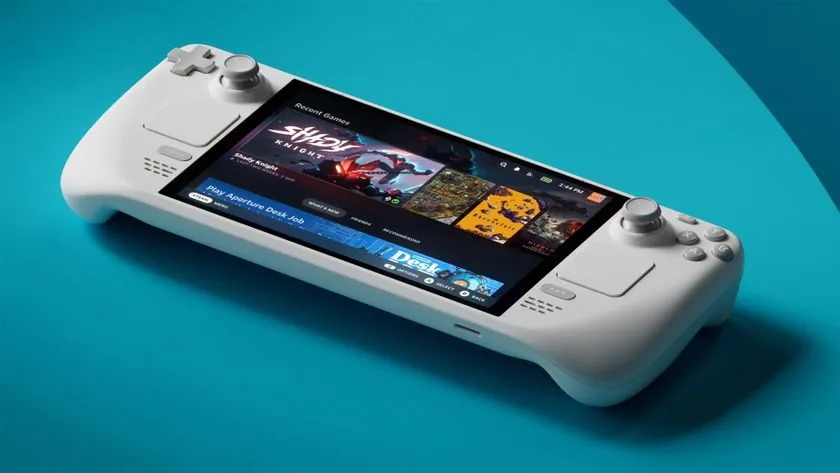
The Skinny
🔥 Germany's Sovereign Tech Fund just dropped over €1.3 million ($1.5M USD) on KDE — the people who build the desktop side of SteamOS.
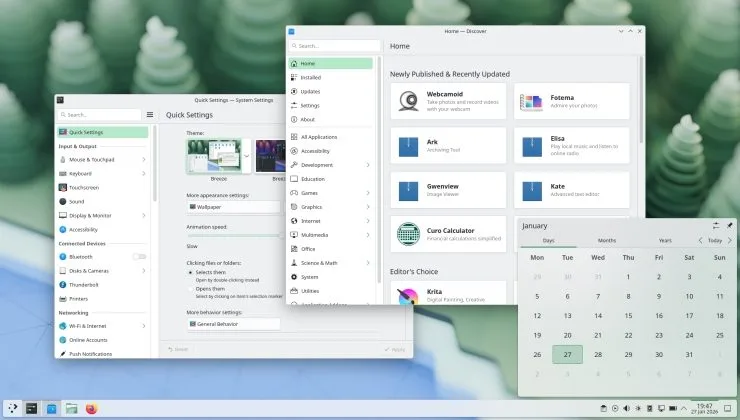
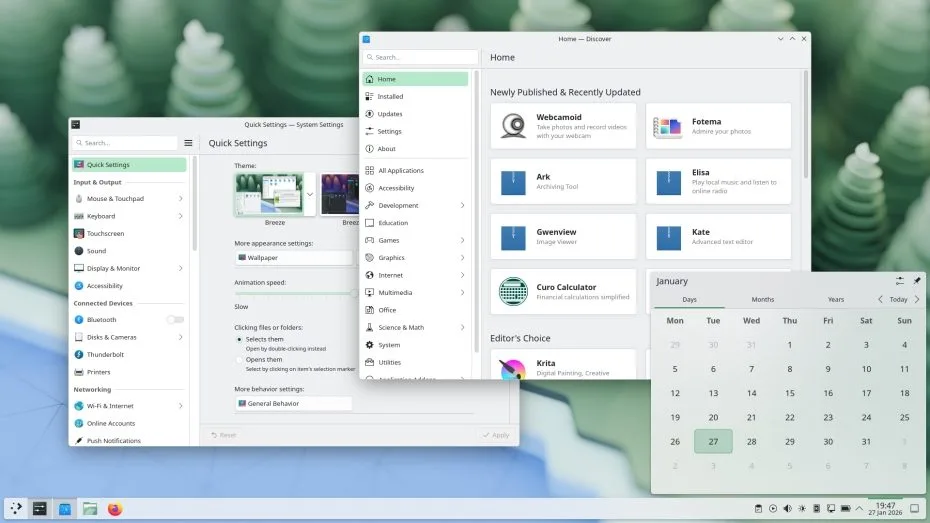
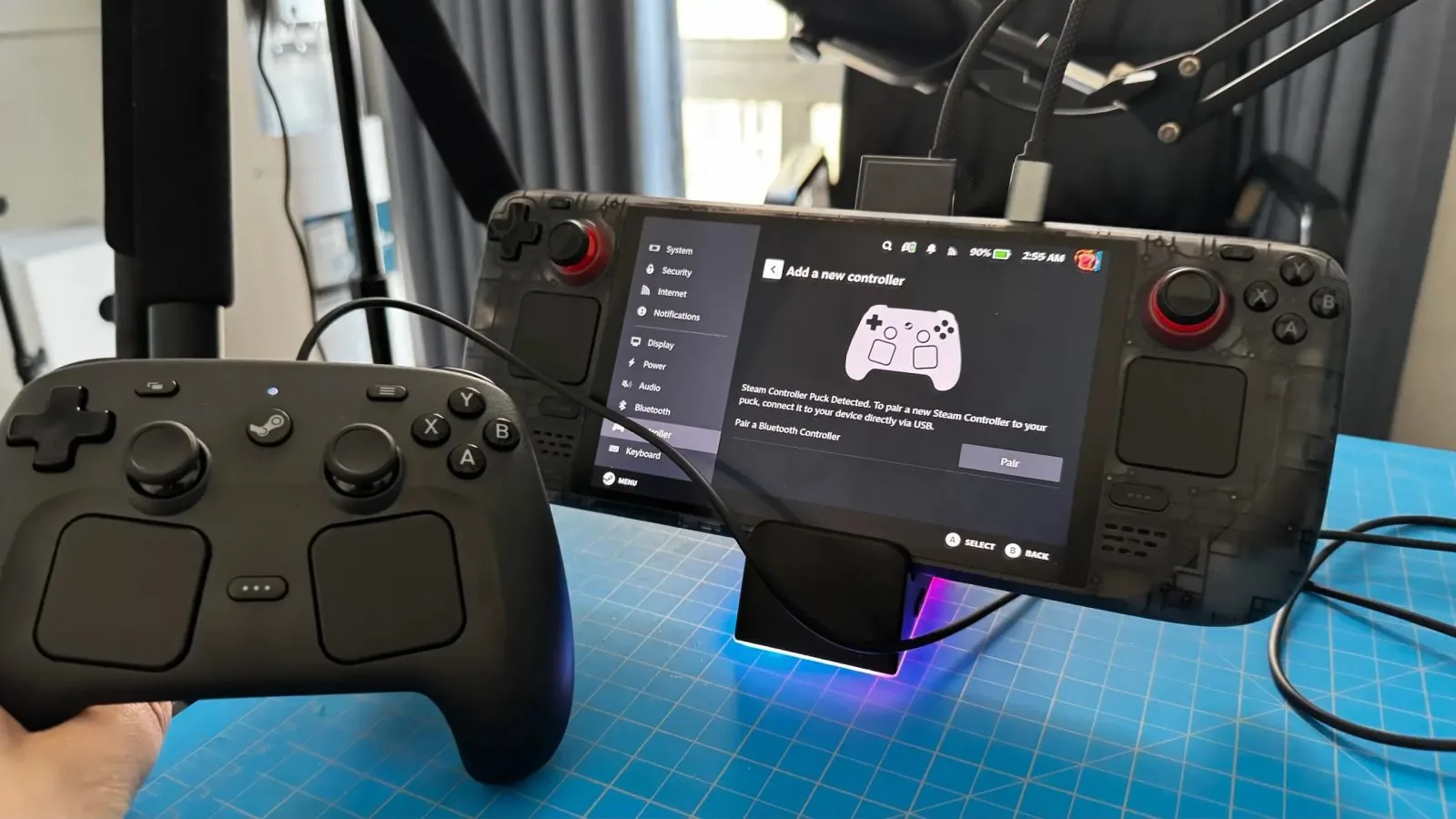
🧠 KDE Plasma is the desktop environment you see when you flip your Steam Deck into Desktop Mode — and it's the same Linux stack Valve is shipping on the upcoming Steam Machine.
📺 The funding covers Plasma 6 polish, accessibility, Wayland hardening, and security work directly relevant to handheld and living-room use.
🎮 Translation: a national government just put real money behind the OS layer fighting Windows on handhelds and consoles.
💸 If you already game on Steam Deck or you're eyeing the Steam Machine, this is the most consequential Linux gaming news of the year.
So here's the thing — while everyone's been arguing about ROG Ally vs. Legion Go vs. Steam Deck, the German government quietly wrote KDE a check for over $1.5 million. That's the same KDE whose Plasma desktop ships on every Steam Deck and is set to power the Steam Machine. This is government money validating the Linux gaming stack, and the timing could not be louder.
What Germany Actually Funded — And Why It's a Steam Deck W
The problem KDE has always had is the same problem every open-source project has: the code is free, the developers are not. Plasma ships on millions of Steam Decks, on Valve's upcoming hardware, on SteamOS forks like Bazzite, and across countless Linux distros — but the people maintaining it have historically been paid in vibes and GitHub stars. That changes now.
The Sovereign Tech Fund — a German federal initiative under the Ministry for Economic Affairs — committed €1,323,000 (roughly $1.45M USD, reported as up to $1.5M depending on source) to KDE over the next stretch. The money goes toward Plasma 6 stabilization, Wayland session hardening, accessibility tooling, security audits, and the under-the-hood plumbing like KWin, KIO, and Qt integration. None of that sounds sexy until you remember it's the exact stack you touch every time you switch your Deck to Desktop Mode to install a non-Steam launcher or plug into a TV.
KDE devs didn't hold back in the announcement either, openly framing the work as a counter to "insecure, spyware-riddled software imposed by the likes of Microsoft." That's not the usual press-release energy — that's a flex. And honestly? When Recall is still haunting Windows 11 and every OEM is shipping handhelds with Windows that boot slower than a PS3 in 2010, it lands.
The kicker: this is public money from a G7 country. Governments don't fund things that don't matter. Germany looked at the Linux desktop ecosystem, saw KDE as critical infrastructure, and acted on it.
Why This Hits Different With the Steam Machine Coming
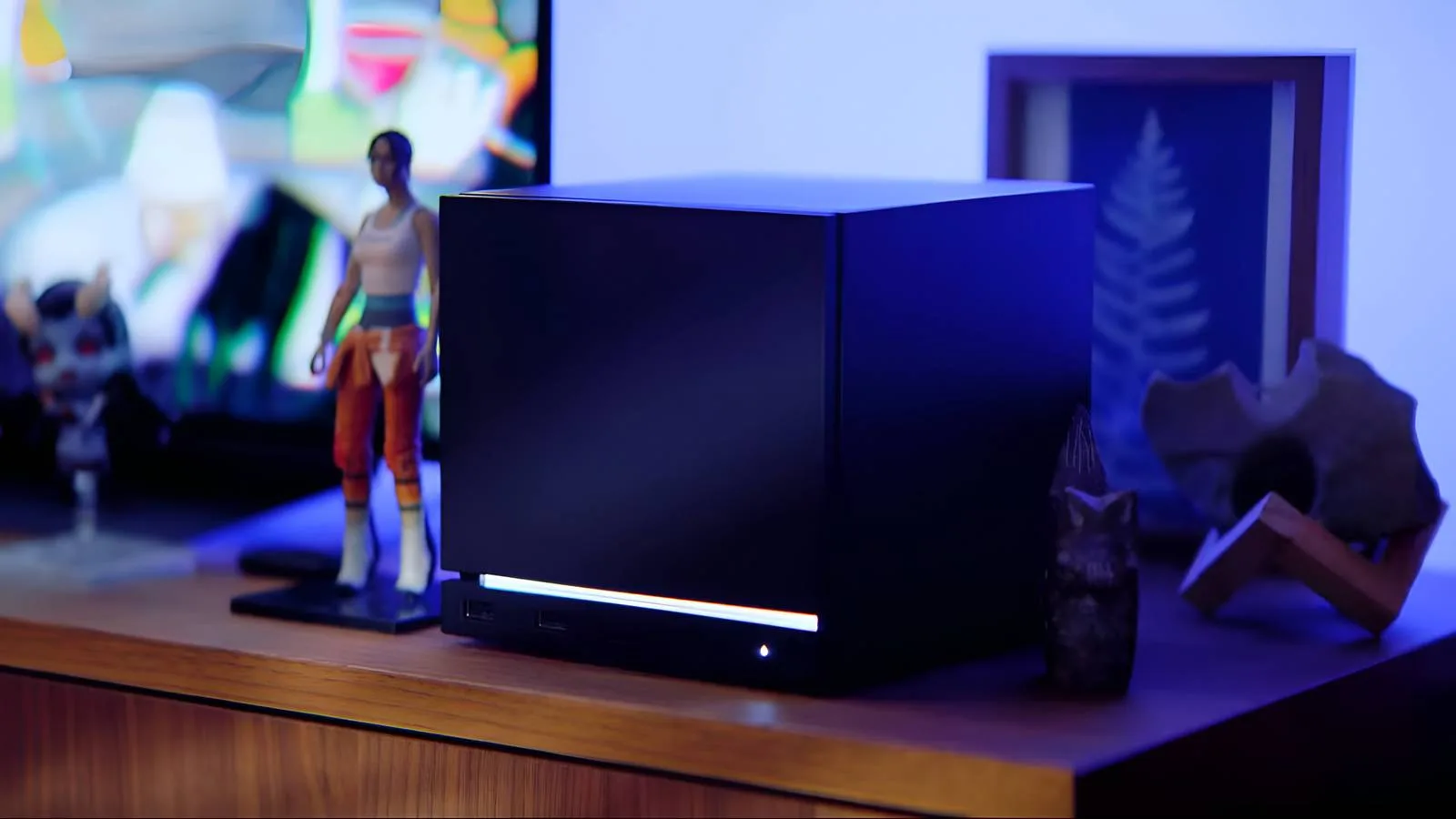
Valve's upcoming Steam Machine — the actual living-room console reboot, not the 2015 cursed memory — runs SteamOS, which runs on top of an Arch base with KDE Plasma as the desktop layer. Same architecture as the Steam Deck. So when Germany funds KDE, they're effectively bankrolling part of the OS that's about to compete with Xbox Series X and PS5 Pro in the living room.
SteamOS is no longer hobbyist software — it's getting national-level investment.
Plasma 6 polish means a smoother Desktop Mode on Deck and a cleaner couch experience on Steam Machine.
Wayland work directly improves HDR, VRR, and multi-monitor handling — all critical for TV gaming.
Security audits matter when SteamOS starts handling more user data on a stationary box people leave on 24/7.
Accessibility work finally drags Linux gaming UX into 2026, where it should've been three years ago.
The narrative shift is wild. Two years ago, gaming on Linux was "wow, Proton kinda works." Now it's "the German government is funding the desktop environment that ships on Valve's console." That's not incremental — that's a phase change.
The Other Stuff This Money Touches
Beyond the headline gaming angle, the funding hits broader infrastructure that ripples back into your handheld experience anyway:
KWin compositor improvements — better frame pacing in Desktop Mode and gamescope handoffs.
KIO and file management — less jank when you're sideloading ROMs onto your Deck's SD card.
Qt 6 integration — the framework half the Linux ecosystem depends on, including the Steam client's own UI bits.
Discover (the software center) — easier Flatpak installs, which is how 90% of Deck users get non-Steam apps.
Authentication and credential handling — fewer "why won't Wi-Fi remember my password" moments.
It's the unglamorous stuff. Nobody tweets "WOW Wayland session restoration is so smooth now." But it's the difference between a Deck that feels like a toy and one that feels like a real computer when you dock it.
How This Stacks Against the Competition
Let's be real about the handheld landscape in May 2026:
ROG Ally X / Ally 2: Powerful hardware, but Windows 11 on a 7-inch screen is still a war crime. Battery life is mid, the Armoury Crate launcher is bloated, and Microsoft keeps not shipping a real handheld mode.
Lenovo Legion Go 2: Better screen than the Deck OLED in raw specs, but again — Windows. SteamOS support is "coming." It's been coming.
MSI Claw 8 AI+: Intel's Lunar Lake chip is genuinely impressive on efficiency, but you're still stuck with Windows handheld UX.
Steam Deck OLED: Weaker on paper, but the software experience is years ahead. And now it's getting government-funded improvements.
Steam Machine (incoming): The living-room play. SteamOS on a stationary box with more thermal headroom — the first credible "PC console" since the original Steam Machine flop.
If you want the most powerful handheld, get an Ally X. If you want the best gaming experience — the one that actually feels designed for handheld and gets better every update without you doing anything — Steam Deck still wins, and this funding only widens that gap.
🛒 Top Picks
If this news has you eyeing the SteamOS ecosystem, here's where to start:
🥇 Best Overall: Steam Deck OLED 1TB — The handheld this funding directly improves, with the best screen Valve ships.
AMAZON: Steam Deck OLED 1TB — $649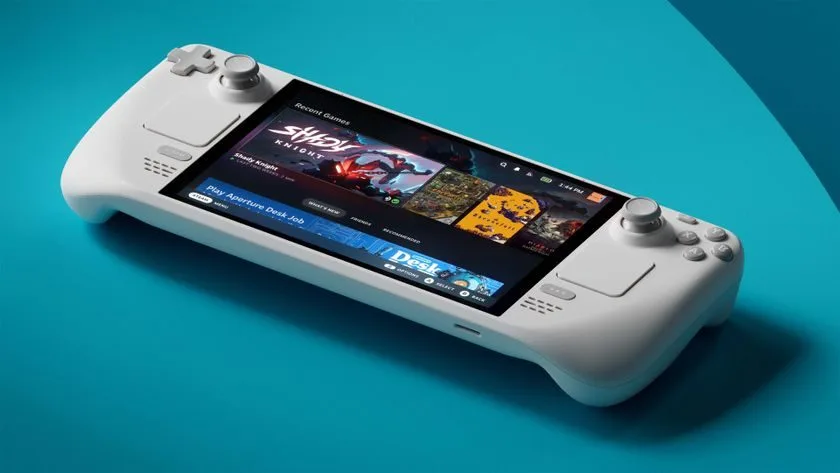
🥈 Runner-Up: Steam Deck Dock Official — Turn your Deck into a couch console while you wait for the Steam Machine.
AMAZON: Steam Deck Dock Official — $79🥉 Best Value: Steam Deck LCD 256GB — The cheapest way into the ecosystem getting government-funded upgrades.
AMAZON: Steam Deck LCD 256GB — $399
The Real Takeaway: Linux Gaming Has Institutional Backing Now
For years, betting on Linux gaming felt like betting on a dream. Today, a major European government just signed a $1.5M check that says this ecosystem is real, it matters, and it's worth public investment. Pair that with the Steam Machine looming and Plasma 6 hitting stride, and SteamOS isn't just an alternative anymore — it's a contender. If you've been waiting for the moment to take Linux gaming seriously, this is it.


0 Comments
No comments yet.